
History of Virtue Capitalism
While Virtue Capitalism is a modern philosophy, it is rooted in enduring principles that have guided human progress across generations.
“If I have seen further, it is by standing on the shoulders of giants.”
— Sir Isaac Newton
Standing on the Shoulders of Civilization
No great philosophy emerges in isolation. Every enduring idea is built upon centuries of human experience, observation, and discovery. Virtue Capitalism does not claim to invent wisdom. Rather, it brings together many of the strongest traditions of political thought, economic theory, moral philosophy, enterprise, and institutional design into a coherent framework for the twenty-first century.
The challenges facing humanity today such as: artificial intelligence, declining institutional trust, geopolitical competition, technological disruption, social fragmentation, and environmental pressures are different from those faced by previous generations. Yet the principles required to meet these challenges have deep historical roots.
Virtue Capitalism draws upon those roots while offering a modern philosophy designed for an age of intelligent machines, global markets, and democratic societies.
The Foundations
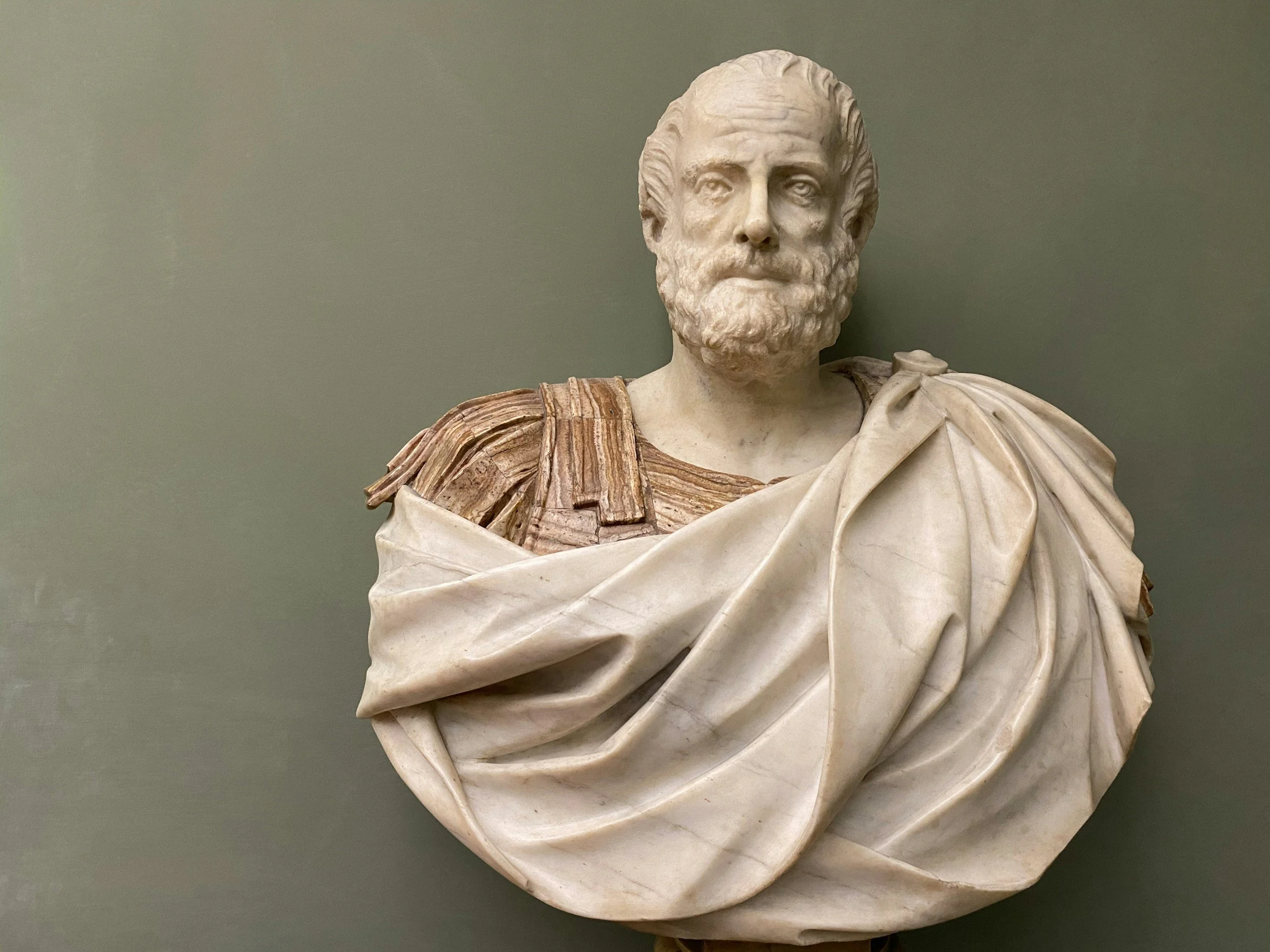
Aristotle (384–322 BC)
Aristotle argued that the purpose of society was not merely wealth but human flourishing, what he described as eudaimonia. He believed that economics existed to support the good life rather than replace it. Virtue Capitalism shares this belief that markets matter because they help people thrive and that economics exists to serve society, not vice versa.
“The ultimate value of life depends upon awareness and the power of contemplation rather than upon mere survival.”
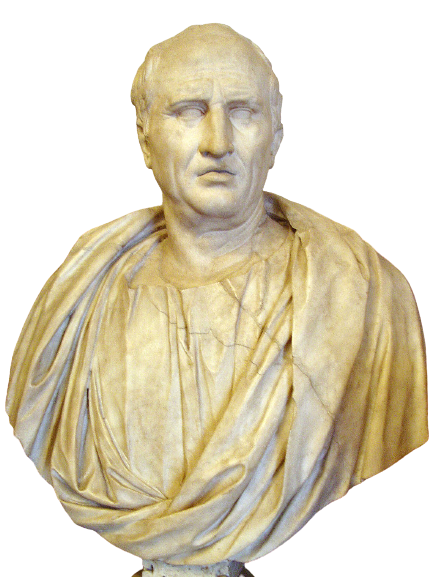
Marcus Tullius Cicero (106-43 BC)
The Roman statesman emphasized civic virtue, justice, public duty, and the importance of institutions. He believed that republics survive only when citizens place the common good above narrow personal interests.
Virtue Capitalism similarly argues that free societies require responsible citizenship, trusted institutions, and leaders who understand stewardship.
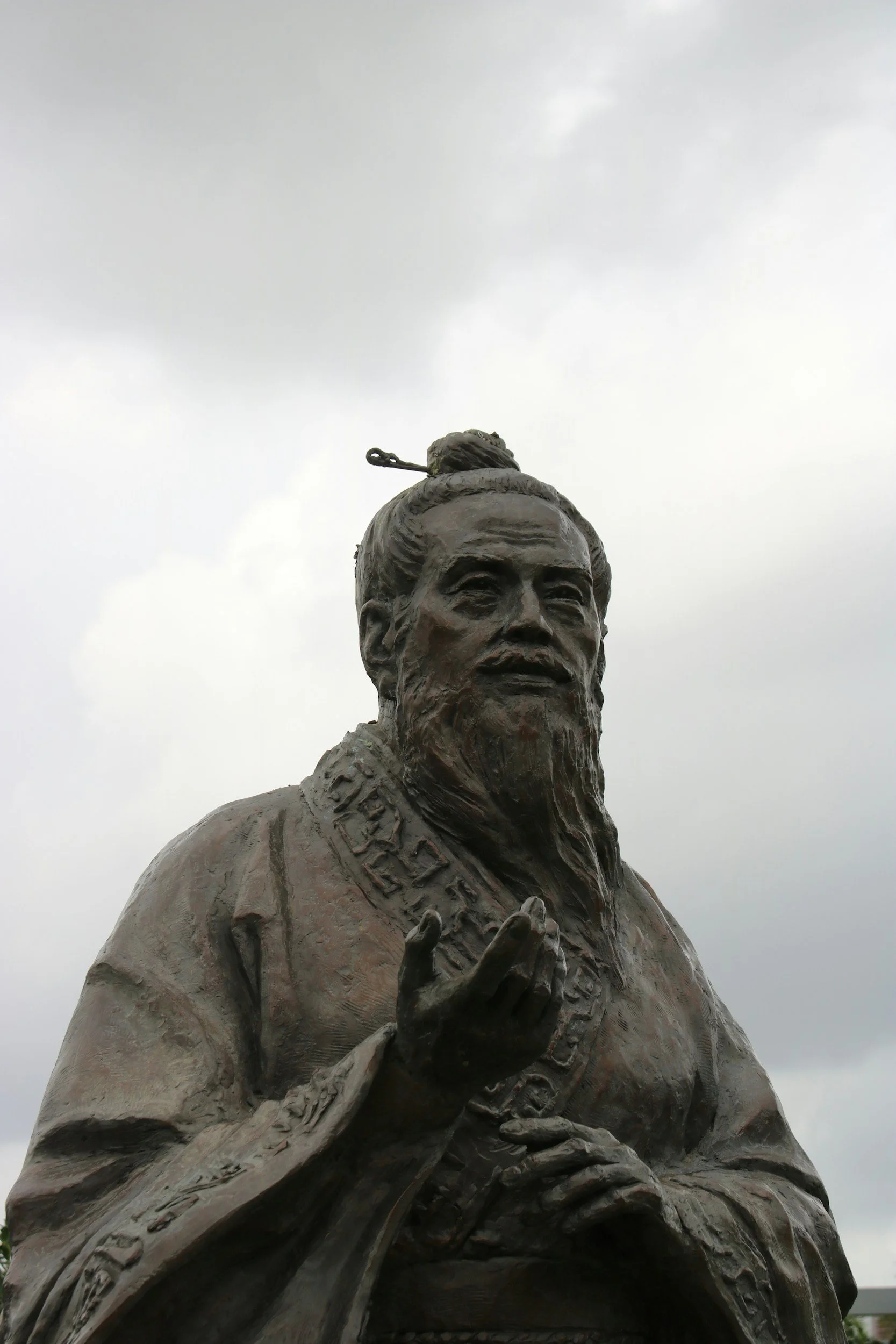
Confucius (551–479 BC)
Confucius believed that stable societies begin with ethical leadership. Governments gain legitimacy through moral authority rather than force.
Leaders should govern by example. Families, education, responsibility, and social harmony formed the foundations of civilization.
Virtue Capitalism similarly places leadership, institutional trust, and long-term stewardship above coercion or ideology.
The Moral Foundations
Throughout history, major religious and moral traditions have articulated principles that closely align with Virtue Capitalism. Christianity stresses stewardship, human dignity, charity, honesty, and servant leadership. Judaism emphasizes justice, education, responsibility, and the covenantal bonds that hold communities together. Islam underscores trust, ethical commerce, reliable contracts, and social responsibility. Buddhism teaches compassion, moderation, and the avoidance of destructive excess. Hindu philosophy highlights duty (dharma), responsibility, and the pursuit of wisdom.
Although these traditions differ profoundly in theology, each recognized that wealth without virtue ultimately weakens society. Virtue Capitalism adopts no religious position, instead, it recognizes that civilizations become stronger when moral responsibility accompanies economic freedom.
The Englightenment
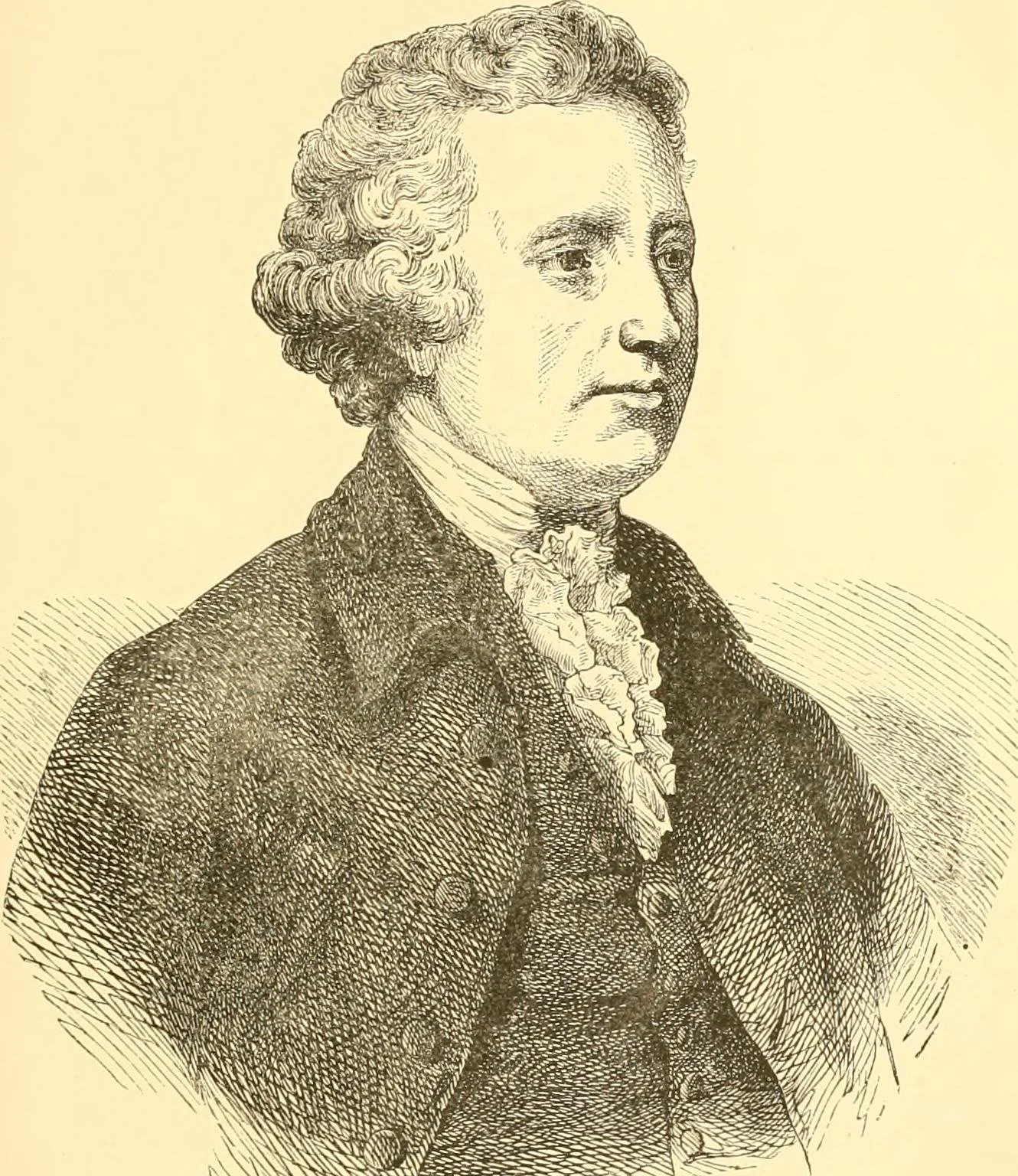
Adam Smith (1723–1790)
Adam Smith is often remembered solely for The Wealth of Nations. Less widely appreciated is his earlier work, The Theory of Moral Sentiments. Smith believed markets function best when embedded within a culture of trust, morality, sympathy, and justice.
Contrary to popular myth, Smith never argued that greed alone produces healthy societies. He believed prosperous markets require ethical citizens. Virtue Capitalism strongly aligns with this broader understanding of Smith.
“How selfish soever man may be supposed, there are evidently some principles in his nature which interest him in the fortune of others.”
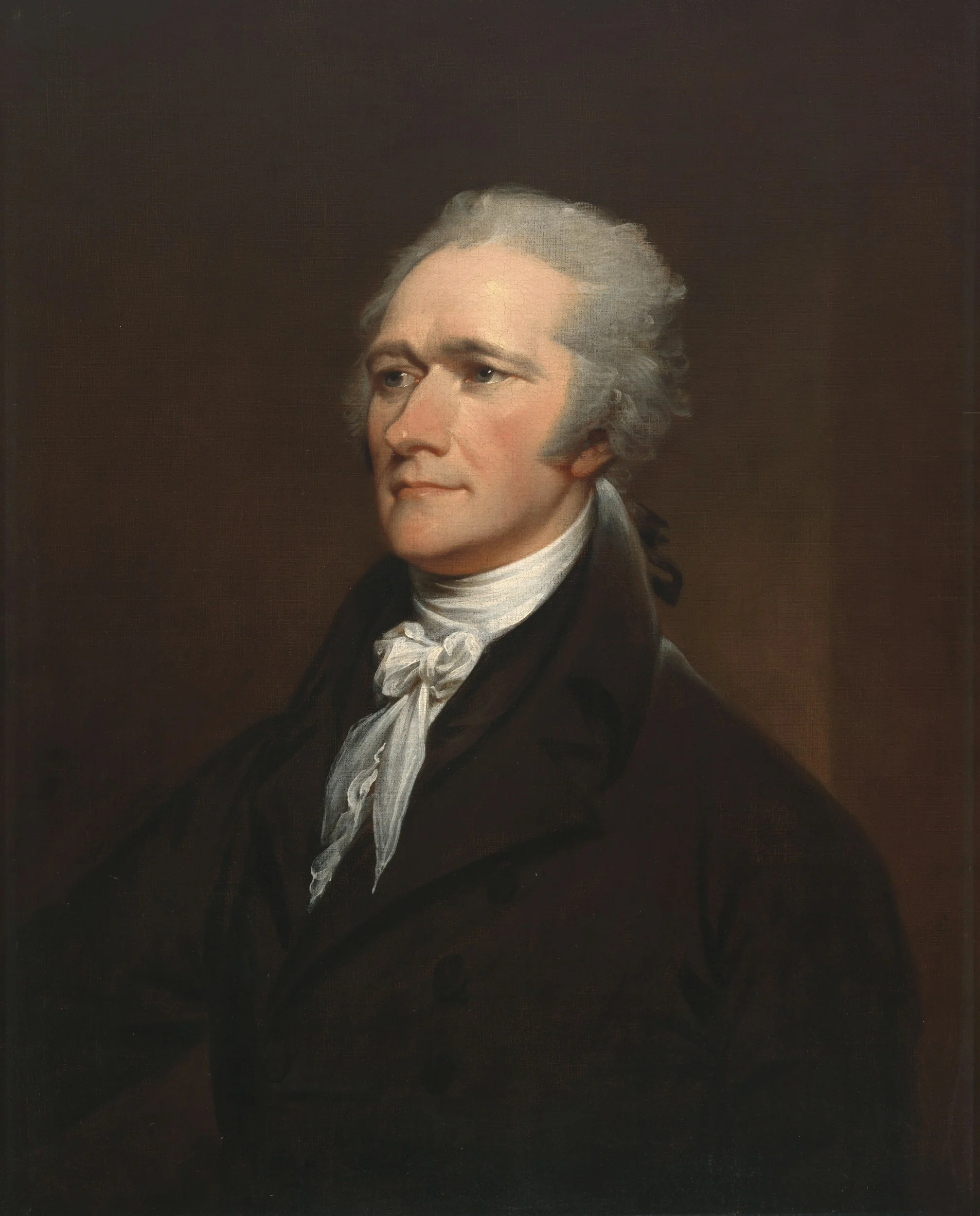
Alexander Hamilton (1755–1804)
Hamilton understood that productive enterprise required capable institutions. He believed national prosperity depended upon finance, infrastructure, manufacturing, innovation, education, and strong constitutional government.
Rather than viewing government and enterprise as enemies, Hamilton saw them as complementary institutions capable of building national capability.
Virtue Capitalism adopts this institutional perspective, where markets flourish when institutions are competent and freedom flourishes when governance is legitimate.
Edmund Burke (1729–1797)
Burke argued that societies should reform thoughtfully rather than destroy inherited institutions. He believed civilization represented accumulated wisdom across generations.
Virtue Capitalism shares this respect for institutional continuity while embracing innovation. Progress should strengthen civilization rather than erase it.
The Industrial Age
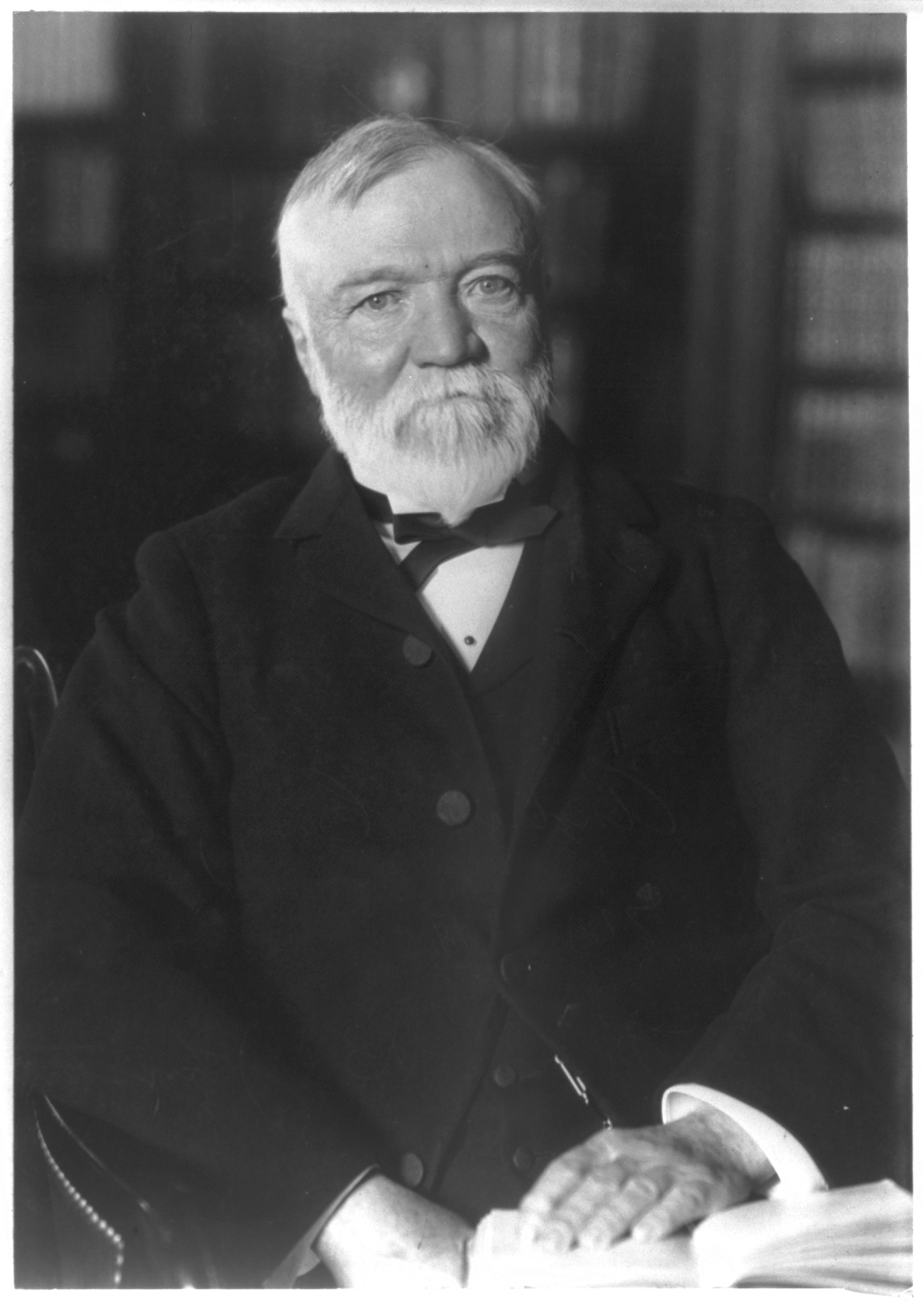
Andrew Carnegie
Carnegie believed wealth carried obligations. His famous Gospel of Wealth argued that successful entrepreneurs should return wealth to society through education, science, libraries, and philanthropy.
Virtue Capitalism agrees with Carnegie’s central insight while extending it further.The first responsibility of enterprise is productive contribution. Philanthropy becomes an extension of stewardship—not a substitute for it.
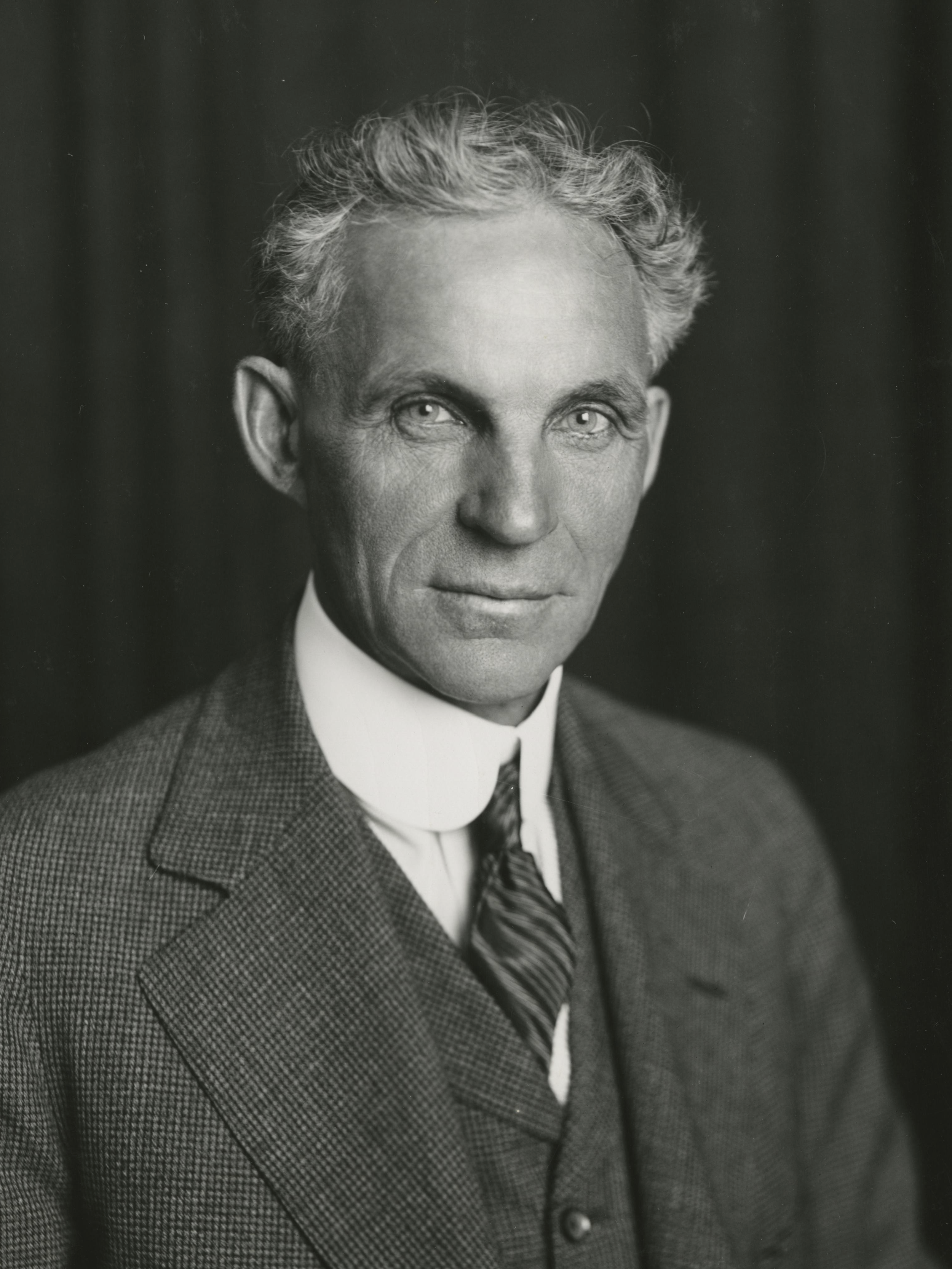
Henry Ford
Ford transformed manufacturing through innovation while also believing ordinary workers should be able to afford the products they built.
He recognized that enterprise succeeds when prosperity is broadly shared through productive employment.
Democratic Leadership



Abraham Lincoln
Lincoln believed free labor, entrepreneurship, education, infrastructure, and constitutional government formed the foundation of national prosperity. He saw economic opportunity as essential to freedom.
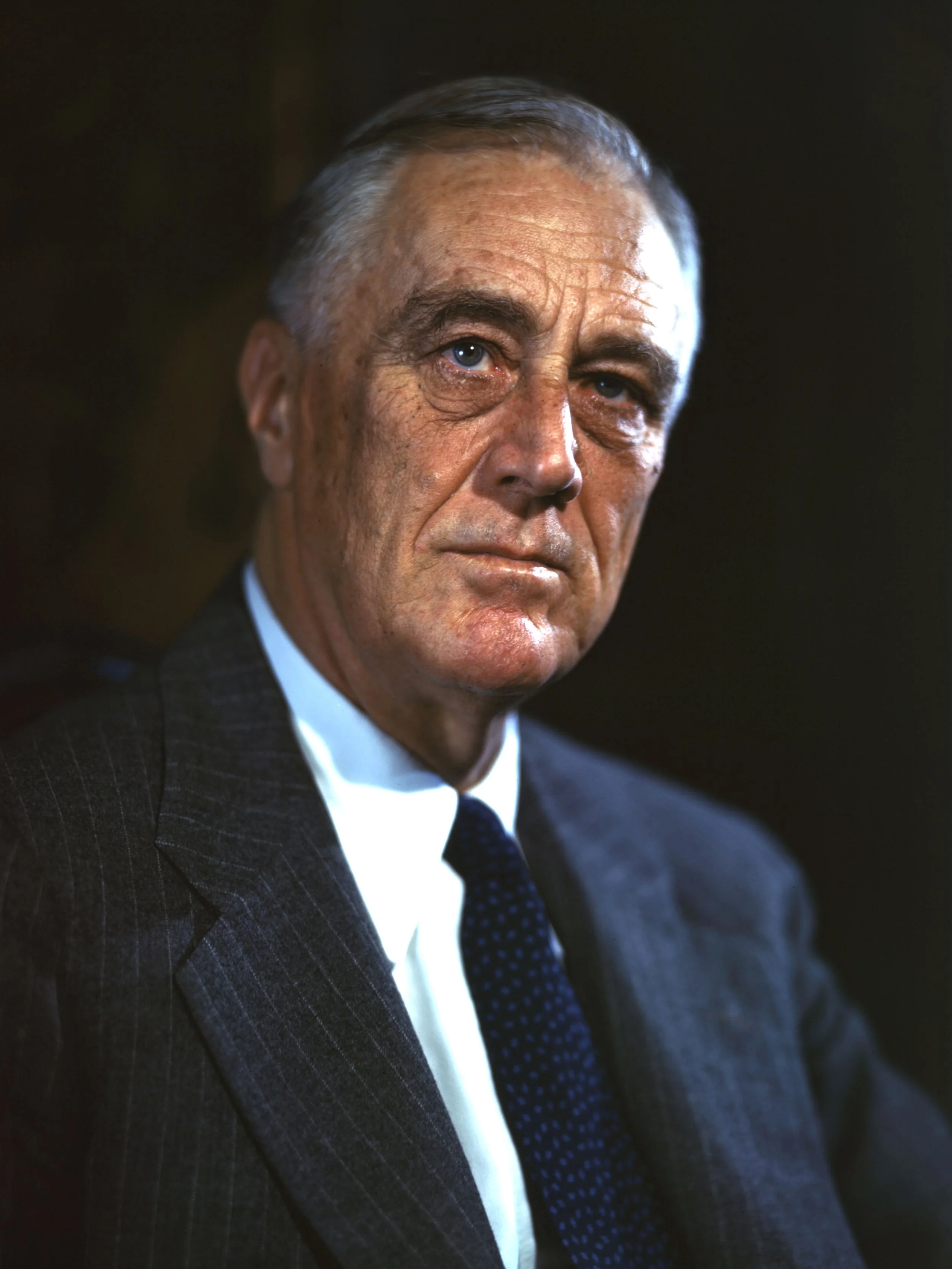
Franklin D. Roosevelt
Roosevelt demonstrated that democratic institutions could adapt to crisis while preserving constitutional legitimacy. He carefully strengthened those institutions through reforms and decisive leadership, doing so without abandoning the core principles of democracy or undermining the rule of law.
Eleanor Roosevelt
Eleanor Roosevelt championed human dignity, social justice, and international cooperation. As a key architect of the Universal Declaration of Human Rights, she helped establish a global framework for human rights grounded in dignity, responsibility, and shared values.
Virtue Capitalism reflects her belief that prosperity must be accompanied by fairness, inclusion, and respect for human rights.
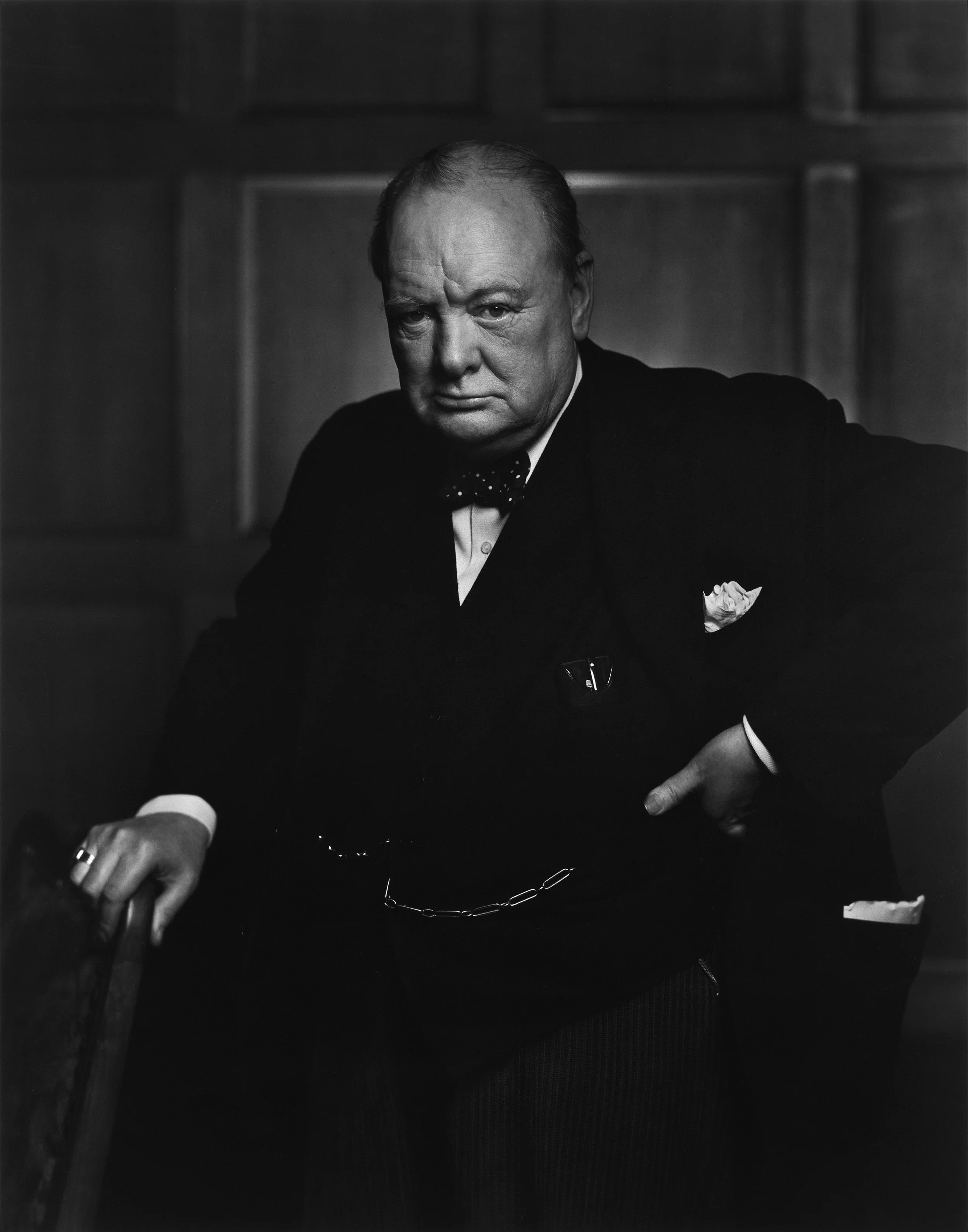
Winston Churchill
Churchill defended democracy not because it was perfect, but because it allowed free societies to correct themselves. His leadership demonstrated resilience, institutional continuity, and moral courage under extraordinary pressure.
Queen Elizabeth II
Queen Elizabeth II embodied continuity, duty, and service across decades of profound global change. Her leadership reflected a deep commitment to institutional stability, national unity, and quiet stewardship.
Virtue Capitalism draws from her example of leadership grounded in responsibility, continuity, and service to something greater than oneself.
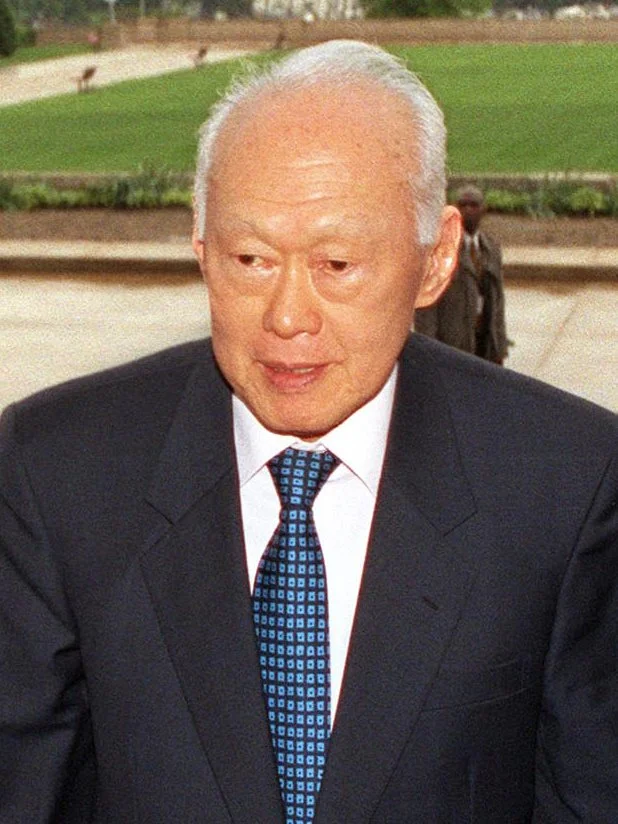
Lee Kuan Yew
Lee Kuan Yew demonstrated how capable institutions, long-term planning, meritocracy, education, and clean governance could rapidly transform a nation.
Virtue Capitalism shares his emphasis on institutional capability while placing greater emphasis on democratic legitimacy as a long-term source of resilience.
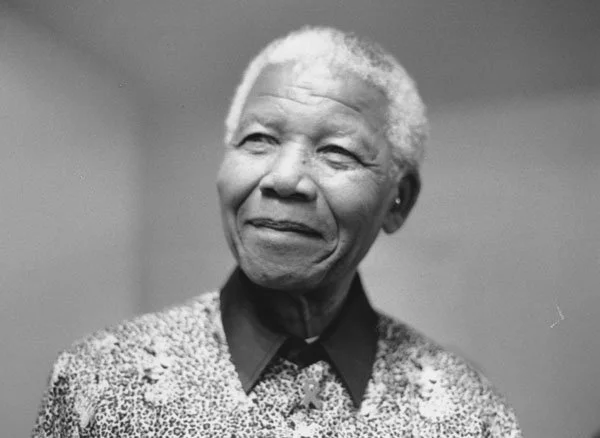
Nelson Mandela
Mandela demonstrated that reconciliation, dignity, forgiveness, and institutional legitimacy can rebuild fractured societies.
He understood that leadership is ultimately measured by what it unites rather than what it defeats.
The Modern Age
Today’s world presents challenges previous generations never imagined, including artificial intelligence, digital platforms, cybersecurity, global financial systems, biotechnology, climate resilience, and information warfare.
These challenges require a philosophy capable of integrating economics, governance, technology, ethics, and civilization. Virtue Capitalism seeks to become that philosophy by rejecting the false choices that increasingly dominate modern politics: markets or government, nationalism or globalism, technology or humanity, freedom or responsibility. Instead, it argues that these forces are complementary rather than opposing.

“The best way to predict the future is to create it.”
-Peter Drucker